Your First Emergency Fund: Why Even $500 Changes Everything
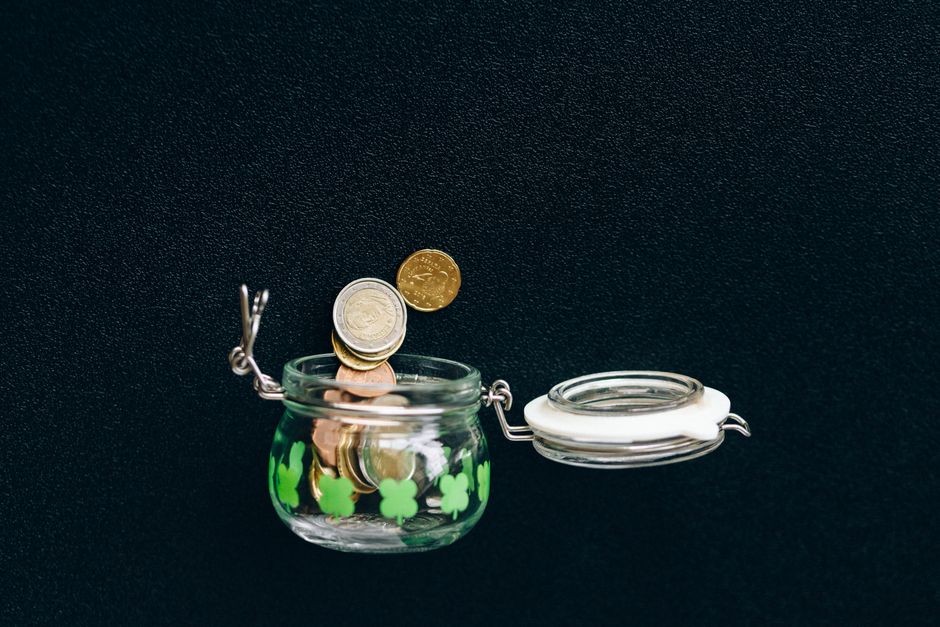
There is a lot of advice out there about emergency funds, and much of it centers on a scary-sounding number: three to six months of expenses. For someone just starting out, that figure can feel impossible, and impossible goals have a way of making us give up before we begin. Here is a gentler truth: you do not need months of savings to feel the benefit. Your first real milestone is much smaller, and it is powerful. Many financial educators suggest aiming for around one thousand dollars as a starter cushion, but even five hundred dollars can transform how a bad week feels.
Think about the last time something unexpected happened — a car repair, a medical copay, a laptop that suddenly died. If you did not have the cash, you probably reached for a credit card or borrowed money, and then spent the next several months paying it back with interest. That is the cycle an emergency fund interrupts. When you have even a small buffer, a surprise expense becomes an inconvenience instead of a crisis. You pay for it, you move on, and your future income stays yours.
Where to Keep It (and Where Not To)
An emergency fund should be easy to reach in a genuine emergency but slightly annoying to access for everyday temptation. A separate savings account at your bank is a good home for it — separate from the account your debit card is linked to, so you are not glancing at it every time you check your balance. A high-yield savings account can be a nice bonus since it earns a bit of interest, but do not let the search for the perfect account delay you. The best account is the one you actually open this week.
What you want to avoid is keeping your emergency fund in investments or anything whose value bounces around. The whole point is that the money is stable and there when you need it. You also want to avoid labeling it vaguely as "savings," because then it competes with your vacation fund and your holiday gift fund and your new phone fund. Give it a name: "Emergency Fund" or "Oh No Money" or "Peace of Mind." Naming it reminds you what it is for.
How to Build It Without Feeling Deprived
Building this fund does not require dramatic sacrifice. Small, automatic transfers are the quiet heroes here. Set up a transfer of ten or twenty dollars to your emergency account every payday, and then try to forget about it. If you get a tax refund, a bonus, or a cash gift, send a portion of it straight to the fund before it gets absorbed into daily spending. You can also try a temporary challenge, like saving every five-dollar bill that passes through your hands, or pausing one subscription for a few months and redirecting that money.
Progress will feel slow at first, and that is completely normal. Ten dollars a week is five hundred and twenty dollars in a year. The point is not speed; the point is consistency. Once your small cushion is in place, you will notice something shift — you breathe a little easier, and you start making decisions from calm instead of panic. That feeling is worth far more than the number in the account.