The Cash Envelope Comeback: A Gentle Way to Feel Your Spending
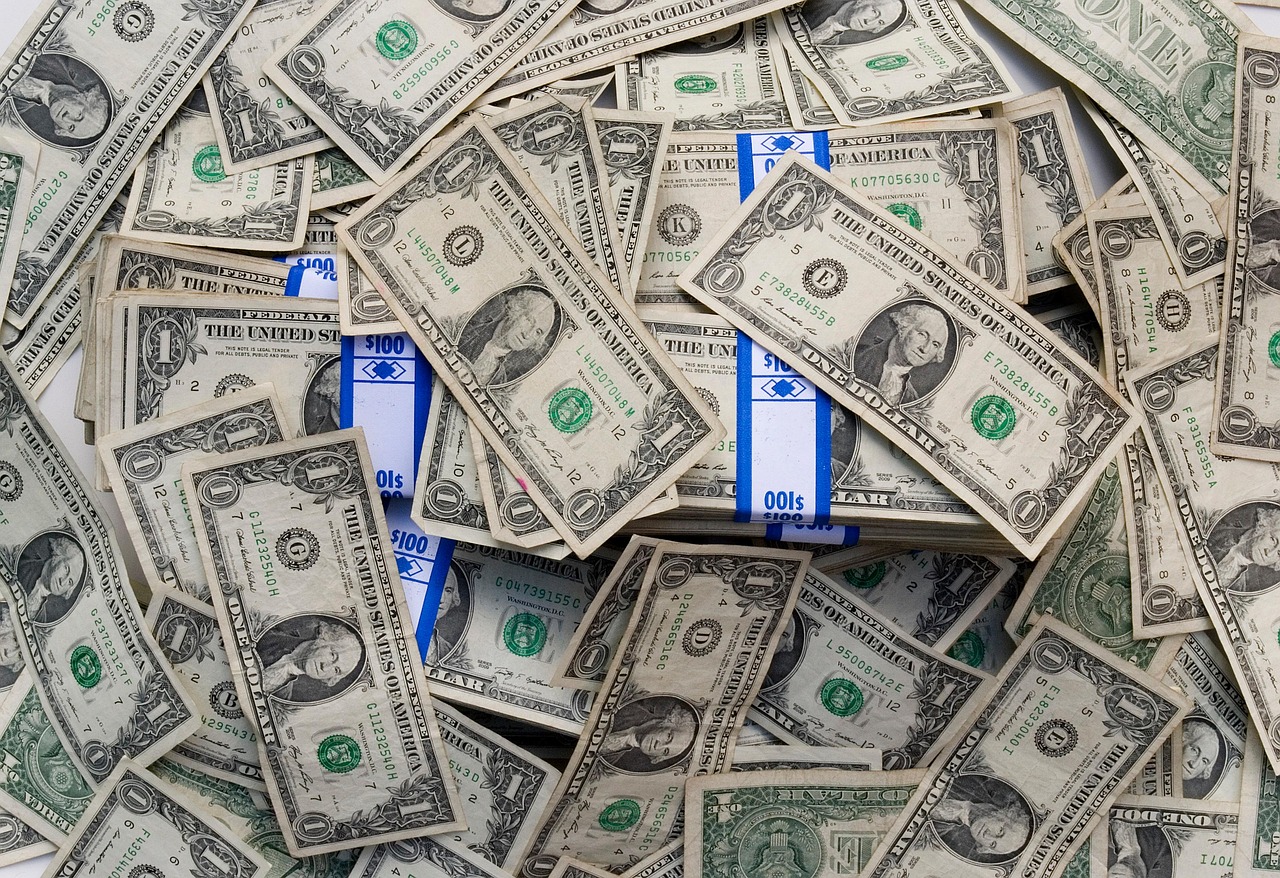
There is something almost nostalgic about paying with cash. It feels slower, more deliberate, and somehow more honest than tapping a card and hoping for the best. For anyone who has ever stared at their bank statement wondering where all the money went, the cash envelope method offers a surprisingly gentle way back to awareness. It is not about deprivation. It is about making your spending visible again.
The idea is simple. You decide on a few categories where you tend to overspend without noticing, things like groceries, eating out, or little treats, and you withdraw that amount in cash at the start of the month. You divide it into envelopes, one per category, and when the envelope is empty, that category is done until next month. No app notifications, no mental math, just a physical limit you can see and touch.
Why Cash Works When Apps Don't
Digital spending is designed to be frictionless. One tap, one saved card, and the money is gone before your brain has fully registered the purchase. Cash adds a tiny bit of friction back, and that friction is where the magic happens. Handing over a twenty and getting change forces a small pause. That pause is often enough to ask yourself whether you actually want the thing you are about to buy.
Cash also makes your budget feel finite in a way that a number on a screen never quite does. When you can see the last few bills in your grocery envelope, you naturally start planning meals around what you already have. When your fun money envelope is still fat, you can spend without guilt because you know it is already accounted for. It is a system that rewards you with permission instead of punishment.
There are practical considerations, of course. Some bills and subscriptions cannot be paid in cash, so this method works best for the flexible, everyday categories rather than fixed expenses. You also want to keep your cash somewhere safe at home and avoid carrying large amounts around. Many people start with just one or two envelopes and expand from there once the habit feels natural.
Starting Small and Staying Kind to Yourself
If you are new to budgeting, do not try to convert your entire life to cash overnight. Pick one category, maybe the one that causes the most end-of-month confusion, and try it for a single month. Withdraw what you think you will need, adjust as you go, and treat the first month as an experiment rather than a test you can fail.
The real benefit of the envelope method is not the money you save, though you will likely save some. It is the relationship you rebuild with your own spending. You start to notice patterns, like how Friday afternoons make you want to order takeout, or how a stressful week sends you straight to online shopping. Once you can see those patterns, you can plan around them with compassion instead of surprise.
Cash will never be the right fit for everyone, and that is fine. But if your budget has felt abstract or out of reach, a few paper envelopes might be the softest, most concrete place to begin.